Travel Guidance for Pets Travelling from the UK
12 January 2026
My Go-to Dog Toys (and Why I Love Them)
18 March 2026
Keeping your dog at a healthy weight is one of the most important – and often underestimated – aspects of their wellbeing. While a couple of extra kilos may not seem like much, in dogs it can have a far greater impact than we often realise.
Dogs generally weigh far less than humans, so even small amounts of excess weight place significant strain on their bodies. For example, 2–3kg of extra weight on a 20kg dog is proportionally similar to a human carrying an additional 10–15kg.
Why Is Weight So Important for Dogs?
A dog’s body is designed for movement. Extra weight increases strain on joints, the spine, the heart and internal organs, reducing comfort and mobility over time.
Studies suggest that dogs maintained at a lean, healthy weight can live up to two years longer than dogs who are overweight.
Dogs at an ideal weight typically have:
- Better joint health and mobility
- Improved stamina and fitness
- Reduced risk of some chronic disease & certain cancers
- A longer, better-quality life

Does Metabolism Slow Down as Dogs Age?
Yes – a dog’s metabolism changes significantly throughout their life, and this has a direct impact on weight.
- Puppies (up to around 12 months) have a fast metabolism due to rapid growth, muscle development and high activity levels.
- Young adults (around 1–5 years) tend to have stable metabolic rates, though calorie needs vary depending on lifestyle and exercise.
- Mature adults (around 6–7 years) often begin to experience a gradual metabolic slowdown.
- Senior dogs (typically 8+ years, or earlier in large breeds) usually have noticeably reduced metabolic rates, lower activity levels and decreased muscle mass.

Hormonal changes, including neutering, can also contribute to reduced calorie needs and increased appetite, making weight management especially important.
Without adjusting food intake as these changes occur, gradual weight gain can happen without being immediately obvious.
What Are the Risks of Dogs Being Overweight?

Being overweight affects both physical health and behaviour, and the consequences can be serious.
Medical risks include:
- Increased strain on joints, leading to arthritis and mobility problems
- Higher risk of diabetes, heart disease and breathing difficulties
- Reduced heat tolerance
- Shortened lifespan
Cancer risk:
Excess body fat is biologically active and produces inflammatory hormones that can disrupt normal immune function. Research shows that overweight and obese dogs are associated with a higher risk of certain cancers, including mammary tumours and transitional cell carcinoma. Dogs kept lean throughout life may have a lower overall risk of developing some cancers.
Behavioural impacts may include:
- Reduced motivation to move, play, or engage in training
- Increased irritability or frustration related to physical discomfort or pain
- Greater difficulty coping with stress, excitement, or environmental challenges
Excess weight can also mask early signs of pain, meaning health issues may go unnoticed until they become more advanced.
Which Diets Promote an Ideal Weight?
Diet quality plays a key role in maintaining a healthy body condition. Highly processed foods are often calorie dense, meaning dogs consume a lot of energy in small portions.
Natural diets – whether cooked or raw – typically contain more whole ingredients and higher moisture levels. This allows dogs to eat a greater volume of food while taking in fewer calories, helping them feel fuller and more satisfied.
Whole proteins and balanced fats support muscle maintenance and overall health, rather than simply contributing excess calories.
What Is the Ideal Weight – and Does It Depend on Breed?
Ideal weight varies depending on breed, size and individual build, but body condition is more reliable than numbers alone.
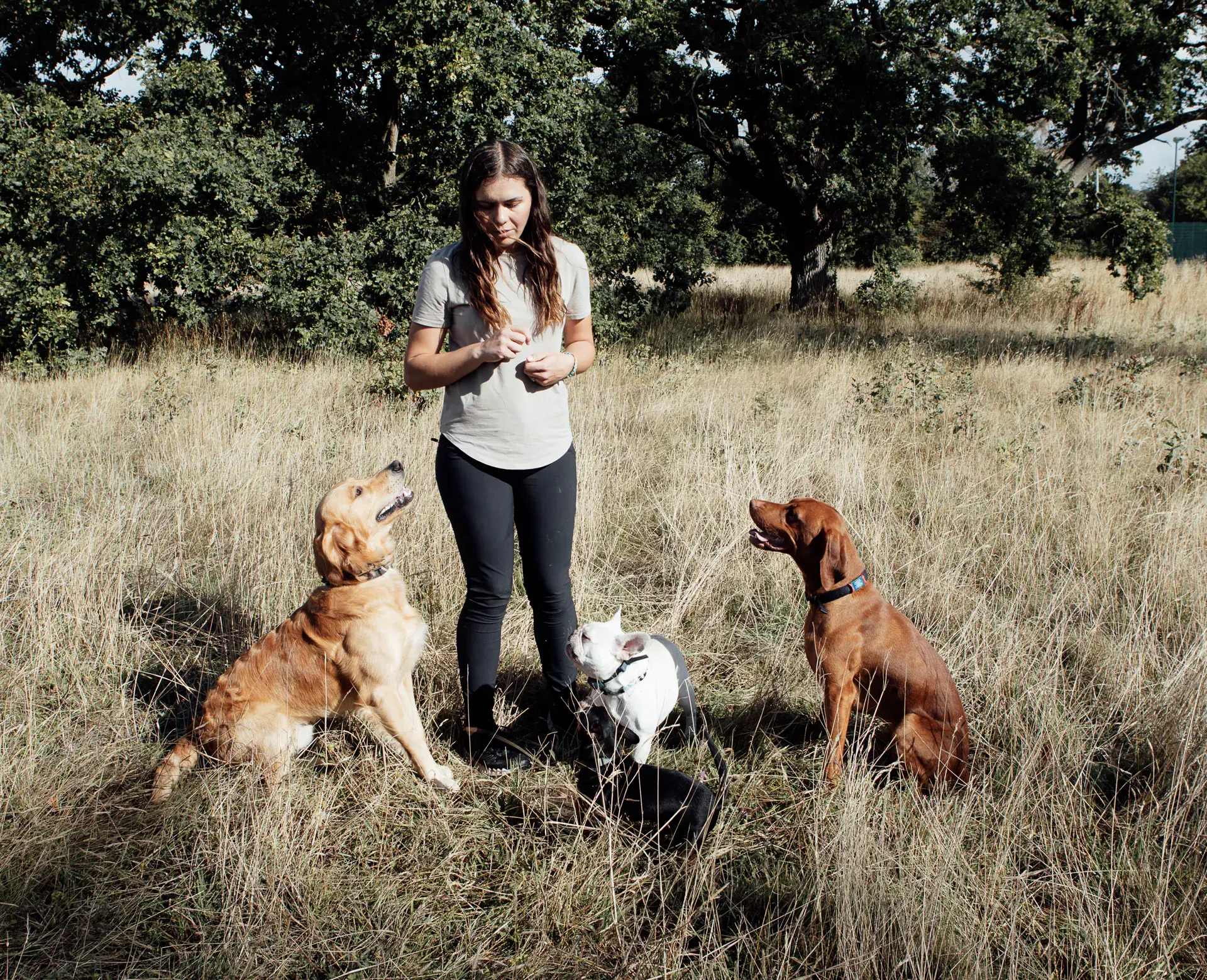
A healthy dog should:
- Have ribs that are easily felt with light pressure
- Have a visible waist when viewed from above
A helpful rule of thumb: if you are having to press firmly to feel your dog’s ribs, they are likely carrying too much weight.
Seeing ribs can be completely normal for lean, athletic dogs, particularly sighthounds and working breeds.
Final Thoughts
A few extra kilos may seem minor, but for dogs the impact is significant. Excess weight affects mobility, behaviour, disease risk – including cancer – and overall lifespan.
Regularly assessing body condition, adjusting food as your dog ages and choosing high-quality, appropriate diets can make a powerful difference.
If you’d like support with weight management, diet choices or exercise planning for your dog, feel free to get in touch for personalised advice. 🐾