My Go-to Dog Toys (and Why I Love Them)
Residential Dog Training That Creates Real Change
Impulse control is one of those training buzzwords that gets mentioned a lot, but what does it actually mean for your dog – and why is it so important?
In simple terms, impulse control is your dog’s ability to pause, think and make a better choice, even when something exciting is happening. It’s the difference between reacting instantly and being able to hold back.
What is Impulse Control?
Impulse control is your dog’s ability to resist immediate urges. These urges might be chasing a moving object, grabbing food, jumping up, or reacting to other dogs. A dog with good impulse control can cope with excitement and frustration without becoming overwhelmed.
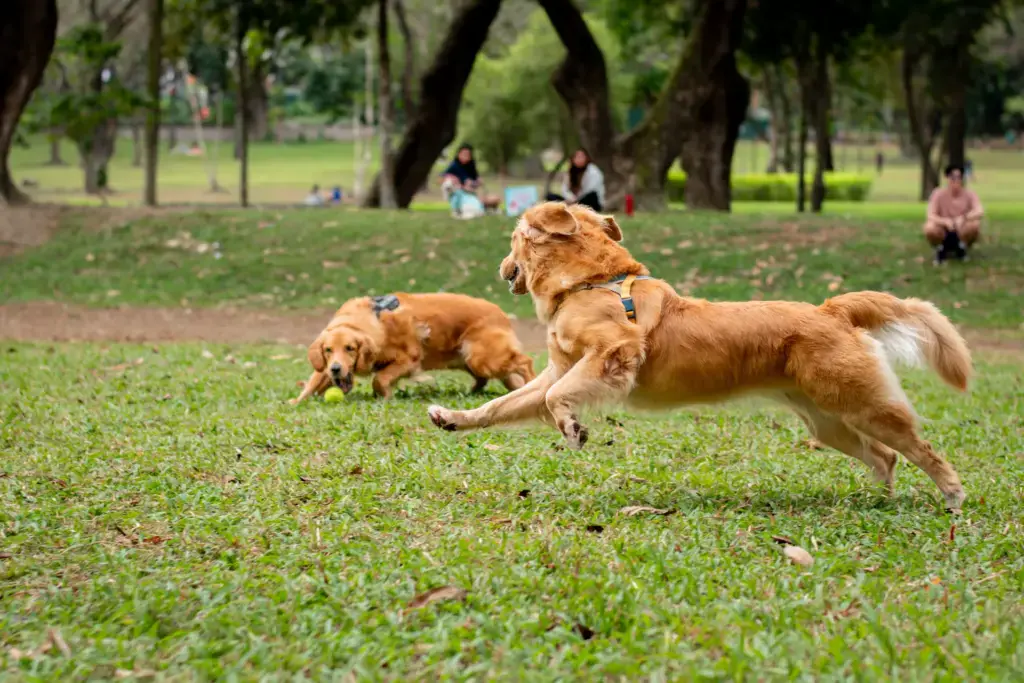
For example, a dog with poor impulse control may run after another dog’s ball at the park, even when their owner is calling them back. A dog with stronger impulse control can notice the ball, feel the urge to chase it, and still choose to stay with their owner instead.
This skill plays a huge role in everyday life, from safe walks and calm greetings to successful play and training sessions.
When Is Impulse Control Developed? (A Bit of Puppy Science)
Impulse control isn’t something puppies are born with. Just like human children, young dogs are still developing the parts of the brain responsible for decision-making, emotional regulation and frustration tolerance.
In puppies, the brain is wired more for exploration and immediate reward. This is completely normal. As they mature, particularly through adolescence and into adulthood, their ability to pause and think improves – but only if they’re given the right guidance and learning experiences.
This means we shouldn’t expect perfect impulse control from young puppies, but we can absolutely start teaching the foundations early in age-appropriate ways.
Impulse Control During Play vs Food-Based Training
Teaching impulse control with food is often easier because we are fully in control of the resource. We decide when the food appears, how it’s delivered and when it ends. This can be a great starting point, but it doesn’t always translate to real-life situations.
Play is different – and incredibly valuable.
When using toys or games, dogs are allowed to experiment. They can try grabbing, jumping, mouthing or snatching, and see what happens. Through careful training, they learn that following the handler’s instructions; waiting and choosing to disengage actually keeps the game going.
This is where impulse control becomes the dog’s choice. A dog that learns to leave a toy, pause mid-game or bring arousal levels down during play is developing real, transferable skills.
Impulse Control vs Self-Regulation – What’s the Difference?
Impulse control and self-regulation are closely linked, but they’re not exactly the same.
Impulse control is about resisting a specific urge in the moment – not chasing the ball, not grabbing the toy, not reacting immediately.
Self-regulation is the broader ability to manage emotions and arousal levels over time. A self-regulated dog can calm themselves down after excitement, cope with frustration and recover more quickly from stress.
You can think of impulse control as a building block of self-regulation. When we teach dogs to pause, wait and make thoughtful choices, we’re also helping them become more emotionally balanced overall.
Why Improving Impulse Control Matters
Dogs with good impulse control are often safer and easier to live with. They cope better in busy environments, around other dogs and people, and during exciting situations. It also strengthens the relationship between dog and owner, as communication becomes clearer and more consistent and the owner can establish authority.
Want to Improve Your Dog’s Impulse Control?
If your dog struggles with over-excitement, frustration, chasing, grabbing or ignoring you when the world gets interesting, impulse control work can make a huge difference.
If you’d like help improving your dog’s impulse control through play-based, practical training, feel free to get in touch. I’d love to help you and your dog build calmer choices and better communication together.