3 Essential Tips for Your Dog in the Heat Wave
10 July 2025
Travel Guidance for Pets Travelling from the UK
12 January 2026
Bringing a new puppy home is exciting, emotional, and — if we’re honest — a little overwhelming. The first few weeks are crucial for building confidence, teaching boundaries, and establishing good habits that last a lifetime. Here’s a practical, client-approved guide to getting it right from day one.
1. Keep a Routine
Predictable routines make life easier for both you and your puppy.
- Most puppies are active for around 2 hours, then need 2 hours of sleep. Overstimulation can lead to behaviours like mouthing, whining, or accidents.
- Puppies are most active in the morning and evening — perfect for short play or training sessions.
- Feed 2 meals per day to support digestion and toilet training. Small snacks in between are fine, and a chew can help with settling.
- Feed after play, not before, to avoid digestive discomfort.
2. Toilet Training
Consistency and timing are everything:
- Take your puppy outside immediately after waking, playing, or eating. In a flat, puppy pads can help.
- Crates and play pens support learning to hold it and settle.
- If there’s an accident — just clean it up. Puppies are babies, and accidents are normal.
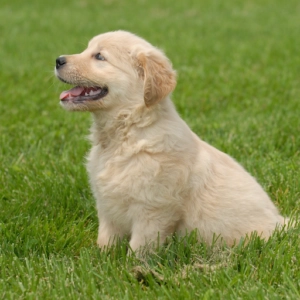
3. Mouthy Puppies & Teething
Puppies explore the world with their mouths, which is why they’re naturally bitey and often pick up items from the floor.
- Avoid removing everything from your puppy’s mouth — this can teach them to swallow items quickly, thinking you’ll take them away each time.
- Keep socks, clothes, and hazardous items out of reach, especially electrical cables.
- Teething usually starts around 3–4 months and lasts until about 6 months.
- Provide chew toys to soothe sore gums.
- Gentle redirection and bite boundary training are essential for teaching appropriate mouthing.
4. Socialisation
Socialisation is about safely exposing your puppy to the world:
- Introduce your puppy to different sounds, surfaces, and environments from around 8 weeks old.
- A few trusted, vaccinated dogs (“close friends”) are enough for early play.
- Outings in town, parks, shopping centres, and train stations provide rich experiences.
- If your puppy is unsure, let them observe from a distance how you enjoy interactions — they learn a lot by watching.
- Retractable or long leads are great for giving space if your puppy feels nervous.
- Show your puppy confidence and positivity — they take cues from your energy.
- I often take puppies out before their vaccination in clean, low-risk areas (dry grass, well-maintained spaces) so they can make their own choices and explore safely. This is very different from passively watching from a buggy — active choice helps them build confidence and real-life skills during the imprint phase (until ~14 weeks).
- Handling exercises: gently touch paws, ears, and mouth to prepare them for vet checks and grooming. Teach your puppy to be calm and set boundaries.
- Noise exposure: gradually introduce household sounds like vacuums, washing machines, and doorbells to reduce fear.
- Mental stimulation: play is the best way to encourage learning. Food-based games like “find it” can add variety.
5. Play for Social Skills
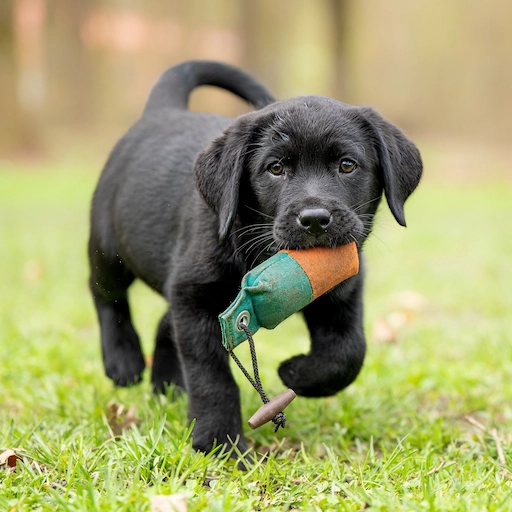
Play isn’t just fun — it teaches important life skills:
- How to interact with other dogs and people
- Understanding boundaries and self-control
- Managing excitement
- Focus on goal-oriented play
- Short, active sessions in the morning and evening work best, followed by a meal or rest
- Teach your puppy a common language:
- Okay = you are free
- No = stop this
- Good = keep doing what you are doing
6. Exploration Over Physical Exercise
Young puppies don’t need long walks or strenuous exercise. The priority is exploring the world safely, learning new experiences, and making choices in clean, low-risk areas. Make sure your puppy (especially large breeds), do not climb stairs or jump off furniture until at least 6 months old.
7. Focus on Real-Life Skills First
Young puppies don’t need to master sit, stay, or down immediately. At this stage, the priority is helping them develop confidence, social skills, and the ability to navigate the world safely, while building a strong bond with you.
Early commands to start with:
- Name recognition – so your puppy responds reliably
- Come – to encourage recall based on your bond
- Leave it – to prevent dangerous behaviour
- Drop – ideally learned during play
Obedience training can be layered on gradually once these foundations are set. These basics give your puppy the tools to explore the world safely while strengthening your relationship.
8. Crates and Play Pens
- Crates provide a safe space and support toilet training
- Play pens allow safe exploration when the puppy is active but cannot be directly supervised
- Encourage your puppy to settle and rest, chews are ideal at these times

9. Key Takeaways
- Predictable routines make things easier
- Feed 2 meals per day, snacks allowed
- Puppies explore with their mouths
- Play is essential for social development — keep it goal-oriented
- Exposure to sounds, surfaces, environments, and a few trusted, vaccinated dogs
- If unsure, let puppies observe from a distance, and use a long or retractable lead
- Handling exercises, noise exposure, and mental stimulation support confidence
- Model confidence and happiness during interactions — puppies follow your lead
- Obedience comes later; focus first on real-life skills and exploration
- Use crates and play pens to encourage calm, settled behaviour
- Accidents happen — just clean them up; puppies are learning
- Exploration is more important than physical exercise at this stage
Summary:
By focusing on confidence, social skills, exploration, and gentle guidance, you give your puppy the best start in life. Formal obedience can wait — the foundation is learning to navigate the world safely and happily with you.